
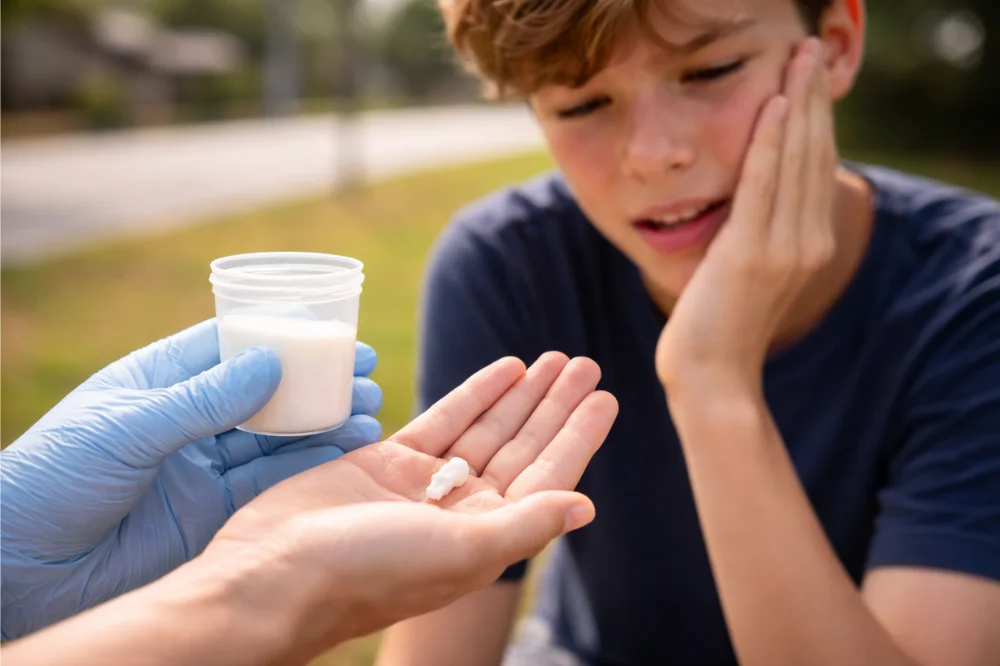
If a permanent tooth gets knocked out, those first few minutes matter more than most people realize. A knocked out tooth is a real dental emergency, and what you do in the first 5 to 30 minutes can make the difference between saving it and losing it. This guide walks you through what to do, why each step matters, and how to get emergency dental care in San Antonio, TX as quickly as possible.
Dr. Chris Cappetta at Fountain of Youth Dental has more than 35 years of experience treating dental trauma and urgent cases. Licensed by the Texas State Board of Dental Examiners and trained in advanced laser and restorative care, he follows evidence-based recommendations supported by organizations such as the ADA and the American Association of Endodontists. Patients across the Medical Center District, Leon Valley, and Oak Hills trust his steady, practical approach when something unexpected happens.
Treat a Knocked Out Tooth as a True Emergency
When a permanent tooth is completely knocked out, dentists call it an avulsed tooth. The root surface is covered in delicate cells that help the tooth reattach to the bone. Those cells begin to break down quickly once the tooth dries out.
The best outcomes usually happen when the tooth is replanted within 5 to 15 minutes. After 30 to 60 minutes, especially if the tooth has been dry, the chances of saving it drop significantly. That is why acting quickly in San Antonio, whether you are in Shavano Park or Castle Hills, is so important.
Immediate Step by Step Actions at the Scene
The first few minutes can feel overwhelming, especially if this happens during a sports game or after a fall. Try to take a breath, make sure there are no serious head or neck injuries, and then turn your attention to the tooth. Handling it carefully right away gives it the best chance of survival.
- Pick up the knocked out tooth by the crown, which is the chewing surface, and avoid touching the root
- If you see dirt on it, gently rinse it with milk or saline, or briefly with clean water
- Avoid scrubbing, scraping, or wiping the root surface
- If you can, gently guide the tooth back into the socket in the correct direction
- Once it is in place, have the person bite gently on clean gauze to help hold it steady
Each of these steps protects the fragile root surface cells that allow the tooth to reattach. If putting the tooth back into the socket is not possible, the next goal is to keep it moist and get to an emergency dentist without delay.
If You Cannot Reinsert the Tooth
Sometimes swelling, pain, or fear makes reinserting the tooth difficult. In those moments, the focus shifts to keeping the knocked out tooth moist until you reach professional care. It is important that the tooth does not dry out, because once those root cells are exposed to air for too long, the chance of saving the tooth drops quickly.
You can place the tooth in cold milk, sterile saline, or a commercial tooth preservation solution if one is available. If nothing else is nearby, the person can gently hold the tooth inside their cheek, as long as they are alert and able to do so safely. Plain tap water should be avoided, since it can damage the root surface cells and lower the odds of successful replantation.
Comparing Storage Options for a Knocked Out Tooth
When a knocked out tooth cannot be placed back into the socket, how you store it matters a great deal. The right storage method helps protect the living cells on the root and supports reattachment later. Keeping the tooth moist and moving quickly toward professional care can significantly improve the outcome.
| Storage Method | Recommended | Why It Helps |
| Reinsert into socket | Yes | Best chance for survival |
| Cold milk | Yes | Preserves root cells temporarily |
| Saline solution | Yes | Maintains moisture safely |
| Tooth preservation kit | Yes | Designed for cell survival |
| Person’s saliva | Acceptable short term | Keeps tooth moist |
| Plain tap water | No | Damages root surface cells |
Every minute counts once a permanent tooth is knocked out. Choosing milk, saline, or reinsertion instead of plain water helps protect the delicate root cells that allow healing. The main goal is to keep the tooth moist and reach emergency dental care in San Antonio as quickly as you can.
Getting Emergency Care in San Antonio
Once the tooth is protected, the next step is connecting with a dental professional. Call an emergency dentist right away and let them know exactly when the injury happened and what steps you have already taken. That information helps the team prepare and respond quickly.
If you cannot reach a dental office, or if there are other serious injuries such as heavy bleeding, facial trauma, or possible concussion, going to the nearest emergency room is appropriate. Bring the tooth with you in its storage medium. Patients in Tobin Hill, Alamo Heights, and Northwest San Antonio should treat this situation with the same urgency as any other traumatic injury.

Special Considerations for Children and Sports Injuries
One of the first questions to answer is whether the tooth is permanent or a baby tooth. Baby teeth are not replanted because doing so can damage the developing adult tooth underneath. Permanent front teeth usually begin appearing around age six or seven.
Many knocked out tooth injuries happen during sports or outdoor play. Custom mouthguards can lower the risk of serious dental trauma. Families in Babcock North and Hamilton Wolfe often keep basic dental emergency supplies in sports bags, which can make a big difference in those first few minutes.
What Not To Do With a Knocked Out Tooth
It is easy to make small mistakes when stress is high. Even so, certain actions can seriously reduce the chance of saving the tooth. Understanding what to avoid is just as important as knowing what to do.
- Avoid touching or scrubbing the root surface, because those delicate cells are needed for reattachment
- Do not wrap the tooth in dry tissue or cloth, since drying damages the root
- Do not store it in plain tap water, which can harm the root surface cells
- Do not use alcohol, soap, or peroxide to clean it
- Do not delay professional dental care, even if the tooth seems stable after reinsertion
The root surface cells are fragile and sensitive to drying and harsh chemicals. Gentle handling and quick action give the knocked out tooth its best possible chance.
What Happens at the Dental Office
When you arrive at Fountain of Youth Dental, Dr. Chris Cappetta will carefully evaluate the tooth and surrounding tissue. If the tooth has already been placed back into the socket, he may secure it with a small splint to stabilize it while healing takes place.
Follow up care often includes monitoring the tooth over time and, in many cases, performing root canal treatment to support long-term success. Early professional care greatly improves the likelihood that the tooth will remain functional and comfortable.
Taking the Next Step to Protect Your Smile
If a permanent tooth is knocked out, your response in those first few minutes truly matters. By staying calm, handling the tooth correctly, keeping it moist, and seeking emergency dental care in San Antonio right away, you give yourself the best possible chance of saving it. Those small, careful decisions can protect your smile for years to come.
At Fountain of Youth Dental, Dr. Chris Cappetta serves as your guide during dental emergencies. With decades of experience and advanced training, he helps patients move from fear to clarity with a steady plan and expert care. If you or your child experiences a knocked out tooth, call 210-614-5481 immediately so you can take the next confident step toward saving your smile.
Frequently Asked Questions
Can a knocked out tooth really be saved?
Yes, a knocked out tooth can often be saved if you act quickly. The highest success rates occur when the tooth is replanted within about 30 minutes and kept moist the entire time, which helps protect the root surface cells needed for reattachment. Immediate emergency dental care is still essential even if the tooth looks stable. Sources: https://www.aae.org/patients/dental-symptoms/knocked-out-teeth/ and https://www.mayoclinic.org/first-aid/first-aid-tooth-loss/basics/art-20056635
Should I put a knocked out tooth in water?
Plain tap water should be avoided whenever possible because it can damage the delicate periodontal ligament cells on the root. Instead, store the tooth in cold milk, saline solution, a tooth preservation kit, or the person’s saliva if safe. These options help maintain moisture and improve the chance of saving the tooth. Sources: https://my.clevelandclinic.org/health/diseases/21579-avulsed-tooth and https://www.mouthhealthy.org/all-topics-a-z/dental-emergencies
What if the tooth was out for more than an hour?
Even if the tooth has been out for more than an hour, you should still see a dentist immediately. While the success rate decreases as time passes, professional evaluation is important because stabilization may still be possible, and your dentist can assess bone and tissue health and discuss next steps if the tooth cannot be saved. Sources: https://www.aae.org/patients/dental-symptoms/knocked-out-teeth/ and https://www.ada.org
Do emergency rooms treat a knocked out tooth?
Emergency rooms are appropriate if there are serious injuries, heavy bleeding, or suspected head or facial trauma. Hospitals can manage pain control and urgent medical concerns when dental offices are closed, but follow up with a dentist as soon as possible for definitive tooth treatment. Sources: https://www.mayoclinic.org/first-aid/first-aid-tooth-loss/basics/art-20056635 and https://www.cdc.gov


