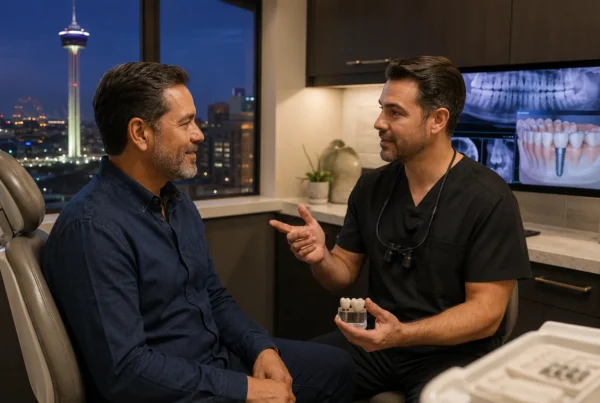

You are searching for zirconium implants near me in San Antonio. Here is the short answer. Zirconium implants are a ceramic, metal-free alternative to titanium. They integrate with bone the same way titanium does. Whether they are right for you depends on your bone anatomy, health history, and priorities. Dr. Chris Cappetta at Fountain of Youth Dental has spent over 35 years evaluating implant patients. His AGD membership and advanced 3D imaging mean patients get a real answer backed by data.
You do not have to figure this out alone. Most patients who come in asking about zirconium have done research but still have questions. Dr. Cappetta covers all of it in person at your first visit. This guide gives you a head start. It covers candidacy, material differences, the evaluation process, and what the data says.
Zirconium vs Titanium: What Actually Changes?
Titanium has been the standard implant material for decades. It fuses well with bone and has a track record built over 40 years. Zirconium, also called zirconia, is a ceramic that entered the implant market more recently. Both materials bond directly to the jawbone through osseointegration. What changes between them is composition, color, structural design, and who each one fits best.
The biggest structural difference is design. Zirconium implants are often one-piece. The post and crown connector are built as a single unit. Titanium systems are usually two-piece, giving your provider more flexibility in placement angle. That design detail matters when evaluating whether zirconium suits your bone anatomy.
Who Is Actually a Good Fit for Zirconium?
Patients who ask about zirconium usually have a specific reason. Some have a confirmed metal allergy or sensitivity. Others prefer no metal in their body. A third group cares most about aesthetics. A white ceramic post blends far better with thin gum tissue than a silver metal post does. Here are the factors Dr. Cappetta evaluates when a patient asks about zirconium:
- Documented metal sensitivity or allergy history
- Bone volume and density at the implant site
- Gum tissue thickness and overall periodontal health
- Number of teeth being replaced and how they meet in the bite
- Overall health, healing ability, and any systemic conditions
- Patient preference and what matters most aesthetically
Not every patient who wants zirconium will qualify for it. The one-piece design limits how much the post can be angled at placement. Bone anatomy does most of the deciding, which is why 3D imaging always comes before any material conversation.
How the Two Materials Actually Stack Up
Most patients want a plain comparison before making any decisions. Here is how both materials compare across the questions that come up most often in a consultation:
| Feature | Titanium Implants | Zirconium Implants |
| Material Type | Metal | Ceramic (metal-free) |
| Color | Silver/gray | White (blends with gum tissue) |
| Clinical Track Record | 40+ years | Growing, 10-15 years |
| Design | Two-piece common | Often one-piece |
| For Metal Sensitivities | Not ideal | Preferred |
| Cost | Lower on average | Typically higher |
Neither material is the automatic right answer. Titanium wins on long-term data and placement flexibility. Zirconium wins on aesthetics and biocompatibility for patients with sensitivities. Your anatomy, health history, and personal priorities determine which one fits your situation.
What Happens at Your Implant Evaluation?
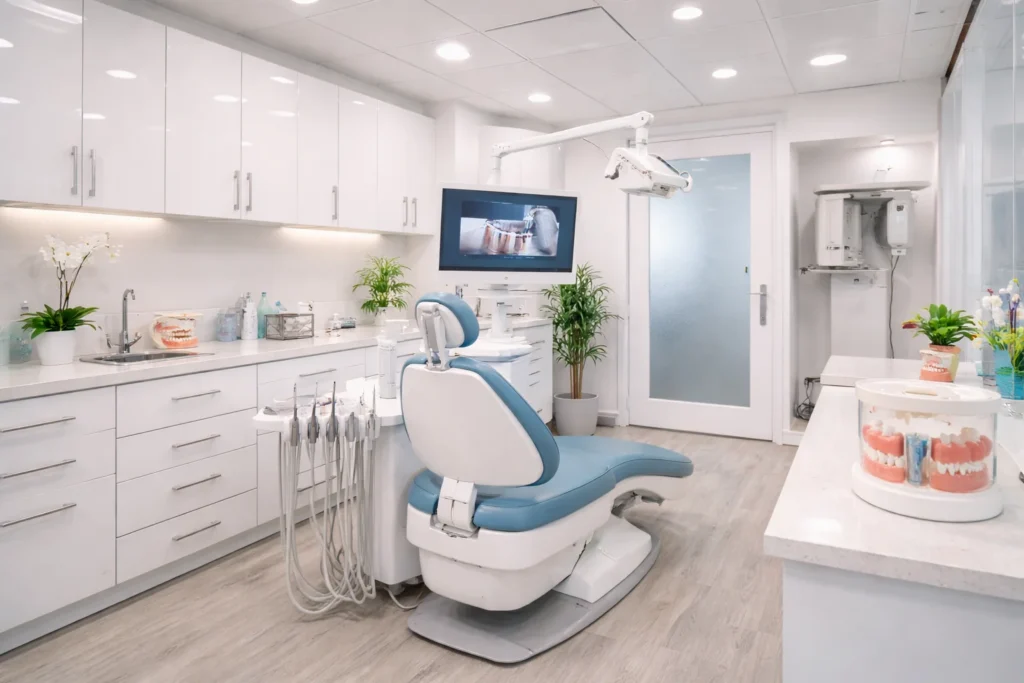
A good evaluation does not start with picking a material. It starts with understanding what your jaw actually looks like. Dr. Cappetta uses in-house 3D cone beam imaging to assess bone volume, density, and nerve positions. That imaging gives both of you a precise picture of what is possible before any decision is made. Here is what the evaluation process covers when zirconium comes up:
- 3D imaging to assess bone volume and angulation at the implant site
- Review of any documented metal sensitivities or systemic health factors
- Discussion of aesthetic goals and gum tissue thickness
- Honest comparison of material options for your specific anatomy
- Clear explanation of long-term maintenance for each path
Patients from Helotes, Castle Hills, and across San Antonio come to Fountain of Youth Dental for this conversation. They want clinical data and straight answers. Dr. Cappetta’s AGD membership keeps him current on both materials as the research continues to develop.
What the Research Actually Says About Long-Term Performance
Zirconium implants have a shorter overall track record than titanium, but the existing data is solid. At five to ten years, studies show survival rates of 95 to 97 percent in well-selected patients. That matches titanium results over the same window. Patient selection is the key factor. Good candidates tend to have good outcomes regardless of material.
Zirconium also shows an advantage in tissue response. Ceramic surfaces attract less bacterial biofilm than metal. That tends to support healthier gum tissue around the implant over time. Patients with a history of gum disease or chronic inflammation should raise this point with Dr. Cappetta directly.
Titanium still holds the edge in long-term follow-up data. It has been tracked across large patient populations for decades. Zirconium is still accumulating that longer-term evidence. The research that exists is consistent and positive. It does not yet match the volume of data behind titanium, and that is worth knowing going in.
The Right Implant Starts With the Right Conversation
You came here to find out if zirconium implants are worth pursuing. The honest answer depends on your bone, your health history, and what matters most in a tooth replacement. That is not a non-answer. It is what Dr. Cappetta tells every patient who walks in with this question. You are the one living with the outcome. Getting the decision right matters more than getting it fast.
Dr. Cappetta’s 35+ years in restorative dentistry and AGD membership back every evaluation he does. His 3D imaging gives Leon Valley and Balcones Heights patients a real clinical picture. No decisions happen without it. Call us at (210) 614-5481 or visit fountainofyouthdental.com to schedule your implant consultation. Bring your questions. Leave with a clear picture of what is actually possible for your smile.
Frequently Asked Questions
Are zirconium dental implants safe?
Yes, and zirconia has been used in dentistry for decades before its application in implants. It has a long history in crowns and bridges. Biocompatibility is well established in the clinical literature. Research shows bone integration comparable to titanium in well-selected patients. The American Academy of Implant Dentistry has patient-facing resources on implant material safety.
Do zirconium implants cost more than titanium?
In most cases, yes. The material costs more to produce, and that difference gets passed to the patient. The exact gap varies by provider, case complexity, and restoration type. Plan to pay more for a ceramic implant system than a titanium one. The American Dental Association patient resource covers general implant cost factors for both materials.
How long do zirconium implants last?
At five to ten years, survival rates run 95 to 97 percent in well-selected patients. That is comparable to titanium over the same follow-up period. Data beyond ten years is still being collected since zirconium is newer to the market. Patient selection, placement precision, and consistent maintenance drive long-term success more than material alone. Peer-reviewed zirconia outcome data has been published in the International Journal of Oral and Maxillofacial Implants. Ask your provider to walk through it with you.
Can I get zirconium implants if I have had gum disease?
A gum disease history does not automatically disqualify you from implants. Any active infection must be fully treated before placement, regardless of material. Patients with a periodontitis background are monitored more closely after placement. The conditions that caused gum disease can affect implant health over time. The American Academy of Periodontology has guidance on implant candidacy for patients with a periodontal history.