Custom oral appliances offer a comfortable, portable alternative to CPAP machines for treating sleep apnea. Dr. Chris Cappetta’s 35+ years of experience and CEREC same-day technology expertise help patients understand how these personalized devices work and whether they might be suitable for their specific sleep apnea needs.
Understanding Oral Appliance Therapy
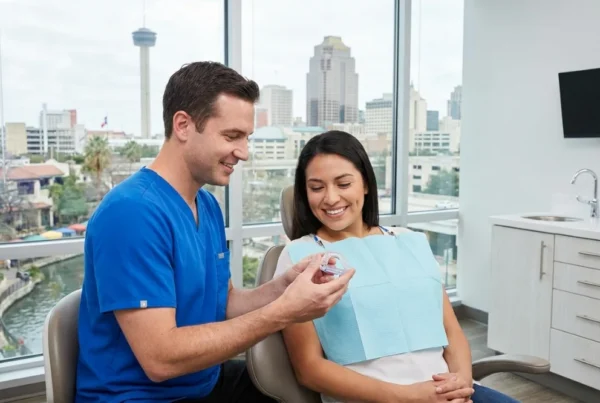
Oral appliances represent a significant advancement in sleep apnea treatment personalization. Unlike one-size-fits-all CPAP machines, these devices are custom-crafted to fit your unique mouth structure. Dr. Chris Cappetta’s expertise in CEREC same-day technology and decades of restorative experience ensure patients understand the precision required for effective oral appliance therapy.
These devices work by gently repositioning your jaw and tongue during sleep. This repositioning helps maintain an open airway by preventing soft tissues from collapsing. The custom fit ensures maximum comfort while providing therapeutic benefit throughout the night.
Dr. Cappetta’s 35 years of experience in dental sleep medicine provides patients with comprehensive education about how oral appliances function. His advanced certifications and ADA membership reflect the high level of expertise needed to properly evaluate oral appliance candidacy. Understanding the science behind these devices helps patients make informed treatment decisions.
Our San Antonio clinic has helped countless patients understand the benefits and limitations of oral appliance therapy. The personalized approach allows for treatment that fits seamlessly into your lifestyle while effectively managing sleep apnea symptoms. This individualized care represents the future of sleep medicine.
Advantages Over CPAP Therapy
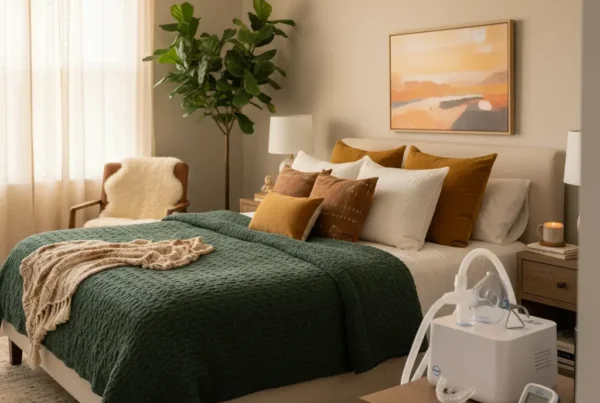
CPAP machines present significant challenges that affect treatment compliance and quality of life. Physical discomfort from masks often causes skin irritation and pressure sores. The constant airflow can create dry mouth, nasal congestion, and claustrophobic feelings that disrupt sleep quality.
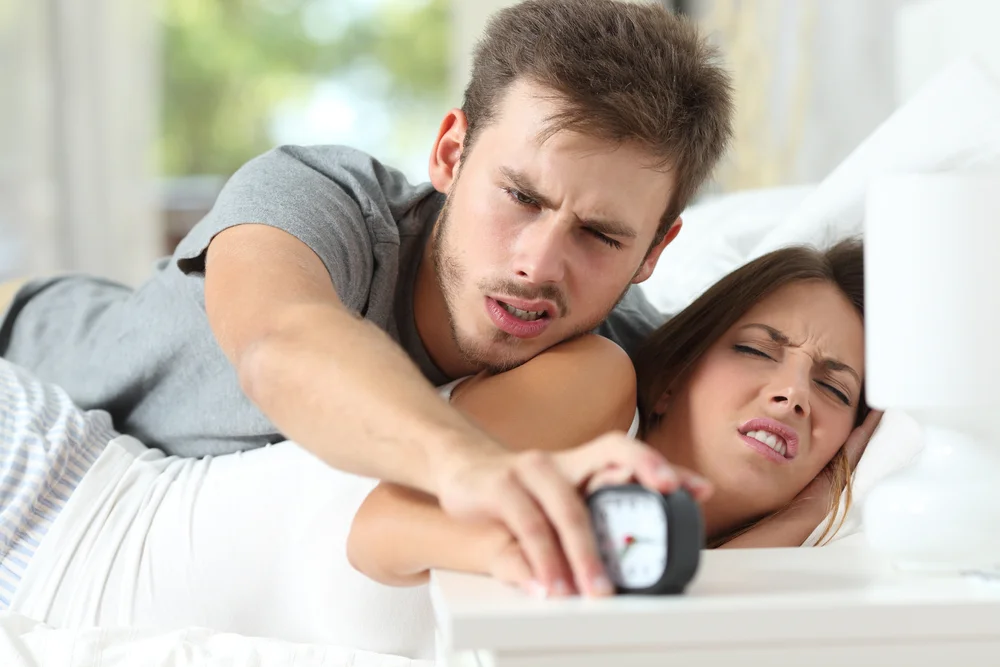
Noise issues compound CPAP compliance problems for many patients. The persistent humming, whistling, or clicking sounds interfere with natural sleep patterns. Partners often struggle with CPAP noise, creating relationship stress and sleep disruption for both individuals.
Key advantages of oral appliances include:
- Silent operation with no noise or mechanical sounds
- Portable design perfect for travel and mobility
- No electricity, hoses, masks, or external equipment required
- Custom comfort that doesn’t cause skin irritation
- Freedom to move naturally during sleep
Travel becomes effortless with oral appliances compared to bulky CPAP equipment. Business travelers and vacationers no longer need to worry about power sources, distilled water, or transporting heavy machines. The device fits easily in your pocket or carry-on luggage.
The psychological benefits of oral appliances are equally significant. Patients report feeling liberated from the tethered sensation of CPAP therapy. This freedom often leads to improved sleep quality and better overall treatment adherence.
Patient Selection and Candidacy
Oral appliances work best for patients with mild to moderate obstructive sleep apnea. Understanding candidacy requirements helps determine whether this treatment approach might be suitable for your specific situation. Dr. Cappetta’s extensive knowledge in dental sleep medicine helps patients understand the evaluation process and selection criteria.
Anatomical factors play a crucial role in oral appliance effectiveness. Jaw structure, tooth condition, and tongue size all influence treatment success. Patients with certain dental conditions or severe anatomical abnormalities may not be good candidates for oral appliance therapy.
Previous CPAP intolerance often indicates potential oral appliance candidacy. Many patients who struggle with CPAP compliance find oral appliances much more comfortable and sustainable. However, severe sleep apnea cases may require more intensive treatment approaches.
Comprehensive evaluation includes dental examination, sleep study analysis, and lifestyle assessment. This thorough approach ensures treatment recommendations align with your specific needs and circumstances. Understanding these factors helps set realistic expectations for treatment outcomes.
Custom Fitting and Precision Technology
Dr. Cappetta’s expertise in CEREC same-day technology provides patients with access to precise, efficient oral appliance fabrication. This advanced system creates detailed digital impressions for optimal device accuracy. The precision fitting process ensures maximum comfort and therapeutic effectiveness.
Traditional impression methods can be uncomfortable and time-consuming. CEREC technology eliminates messy impression materials while providing superior accuracy. Patients appreciate the streamlined process and improved fit quality that advanced technology provides.
Custom fabrication addresses individual anatomical variations that affect treatment success. Every mouth is unique, requiring personalized adjustments for optimal results. Dr. Cappetta’s decades of restorative experience ensure precise calibration for each patient’s specific needs.
Regular follow-up appointments allow for device adjustments and optimization over time. Oral appliances may require periodic modifications as your mouth changes or treatment needs evolve. This ongoing relationship ensures continued treatment effectiveness and patient satisfaction.
Types of Oral Appliances Available
Several different oral appliance designs address various sleep apnea presentations. Mandibular advancement devices represent the most common type, gently moving the lower jaw forward during sleep. This repositioning helps maintain airway patency throughout the night.
Tongue-retaining devices work differently by holding the tongue in a forward position. These appliances may be suitable for patients who cannot tolerate jaw repositioning devices. Understanding different options helps patients make informed treatment choices.
Common oral appliance types include:
- Mandibular advancement devices for jaw repositioning
- Tongue-retaining devices for tongue stabilization
- Combination devices that address multiple factors
- Adjustable appliances for fine-tuning over time
- Fixed appliances for stable, consistent positioning
Each design offers specific advantages depending on your anatomical factors and sleep apnea characteristics. Dr. Cappetta’s knowledge helps patients understand which type might work best for their situation. This educational approach ensures informed decision-making about treatment options.
The selection process considers your comfort preferences, lifestyle needs, and therapeutic requirements. Some patients prefer adjustable devices that allow fine-tuning, while others benefit from fixed positioning. Understanding these differences helps optimize treatment outcomes.
Treatment Effectiveness and Outcomes
Clinical studies demonstrate oral appliances can be as effective as CPAP therapy for appropriate candidates. Success rates are highest among patients with mild to moderate sleep apnea who use their devices consistently. Understanding realistic outcome expectations helps set appropriate treatment goals.
Effectiveness depends heavily on proper fitting, patient compliance, and regular follow-up care. Well-fitted appliances worn consistently throughout the night provide optimal therapeutic benefit. Dr. Cappetta’s experience helps patients understand factors that influence treatment success.
Objective measurements track treatment effectiveness through follow-up sleep studies and symptom monitoring. Improved apnea-hypopnea index scores and oxygen saturation levels indicate successful treatment. Subjective improvements in energy, mood, and sleep quality also demonstrate effectiveness.
Long-term success requires ongoing device maintenance and periodic adjustments. Oral appliances may need modifications over time to maintain optimal effectiveness. Our San Antonio clinic provides comprehensive education about long-term device care and management.
Addressing Common Concerns and Misconceptions
Many patients have misconceptions about oral appliance effectiveness and comfort. Some believe these devices are uncomfortable or ineffective compared to CPAP therapy. Dr. Cappetta’s educational approach helps address these concerns with accurate, evidence-based information.
Initial adjustment periods are normal as your mouth adapts to wearing the device. Most patients adapt within one to two weeks of consistent use. Temporary jaw soreness or excessive salivation typically resolves as you become accustomed to the appliance.
Device durability and maintenance requirements concern many patients considering oral appliance therapy. High-quality appliances typically last several years with proper care and maintenance. Regular cleaning and proper storage help maximize device lifespan and effectiveness.
Cost considerations and insurance coverage questions are common patient concerns. Most dental insurance plans provide some coverage for oral appliances when medically necessary. Understanding coverage options helps patients make informed financial decisions about their treatment.
Combining Treatments for Optimal Results
Oral appliances often work well in combination with other sleep apnea management strategies. Weight management, positional therapy, and lifestyle modifications can enhance appliance effectiveness. This integrated approach addresses multiple factors contributing to sleep apnea.
Sleep hygiene improvements complement oral appliance therapy by optimizing overall sleep quality. Consistent sleep schedules, comfortable bedroom environments, and stress management all support better treatment outcomes. Dr. Cappetta provides guidance on implementing these supportive strategies.
Nasal breathing optimization may enhance oral appliance effectiveness for some patients. Addressing nasal congestion, deviated septums, or other breathing restrictions can improve overall treatment results. This comprehensive approach considers all factors affecting sleep quality.
Regular monitoring and adjustment ensure continued treatment effectiveness over time. Sleep apnea can evolve, requiring modifications to treatment approaches. Our educational consultations help patients understand when adjustments might be necessary for optimal outcomes.
Making Informed Treatment Decisions
Choosing the right sleep apnea treatment requires understanding all available options and their relative benefits. Dr. Chris Cappetta’s 35 years of experience in dental sleep medicine and advanced certifications provide patients with comprehensive education about oral appliance therapy. His expertise helps you understand whether this treatment approach might be suitable for your specific situation.
Our San Antonio clinic has educated countless patients about the advantages and limitations of oral appliance therapy. Understanding how these devices work, who makes good candidates, and what to expect from treatment empowers you to make informed healthcare decisions. This knowledge helps you work effectively with your sleep medicine team.
Don’t let sleep apnea continue affecting your health and quality of life when effective alternatives to CPAP therapy may be available. Contact Fountain of Youth Dental today to schedule your comprehensive sleep apnea consultation. Together with Dr. Cappetta, we’ll help you understand all treatment options and determine the best approach for achieving restful, restorative sleep.
See More Reviews From Fountain of Youth Dental. View information about local places in our community.
Schedule Your Free Consultation Today!
Fountain of Youth Dental
5282 Medical Dr. #520 San Antonio, TX 78229 (210) 614-5481 Driving Directions
Frequently Asked Questions
Are oral appliances as effective as CPAP for sleep apnea?
Oral appliances can be equally effective as CPAP for patients with mild to moderate sleep apnea when properly fitted and used consistently. Clinical studies show comparable improvements in breathing events and oxygen levels for appropriate candidates.
How do I know if an oral appliance is right for me?
Oral appliances work best for patients with mild to moderate sleep apnea who have healthy teeth and appropriate jaw structure. A comprehensive evaluation including sleep study analysis and dental examination helps determine candidacy for this treatment approach.
What are the benefits of using an oral appliance for sleep apnea?
Oral appliances offer silent, portable sleep apnea treatment without external equipment or power requirements. They’re custom-fitted for comfort, easy to travel with, and allow natural sleep movement while effectively treating breathing interruptions.