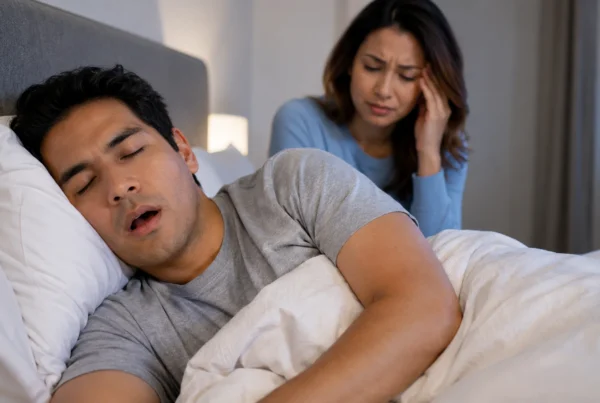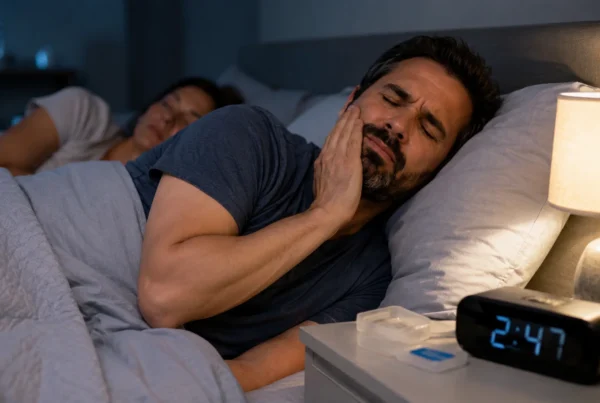

Getting an accurate sleep apnea diagnosis can be tricky because the symptoms often look like other health problems! Understanding the challenges doctors face when diagnosing sleep apnea helps you become a better advocate for your own health. With the right knowledge about diagnostic tools, testing methods, and when to seek additional evaluation, you can work with your healthcare team to ensure you receive the most accurate diagnosis and effective treatment.
Why Sleep Apnea Diagnosis Can Be Complicated
Sleep apnea diagnosis presents unique challenges that require careful evaluation and specialized testing. Dr. Christopher J. Cappetta at Fountain of Youth Dental, with over 35 years of experience serving families in San Antonio, Texas, understands that sleep disorders often have connections to oral health and dental anatomy. His expertise with the American Dental Association and Academy of General Dentistry and his background in dental sleep medicine helps him recognize when dental factors might contribute to sleep breathing problems and when patients should be referred for sleep evaluation.
The symptoms of sleep apnea overlap significantly with many other health conditions, making it easy for healthcare providers to look in the wrong direction initially. Fatigue, mood changes, difficulty concentrating, and morning headaches can all be signs of sleep apnea, but they’re also common symptoms of depression, thyroid problems, heart disease, and many other conditions.
Sleep apnea symptoms vary dramatically from person to person, which adds another layer of complexity to diagnosis. While some people have classic symptoms like loud snoring and witnessed breathing pauses, others may have very subtle signs that are easy to miss. Some patients primarily experience daytime symptoms without obvious nighttime issues, making the connection to sleep disorders less apparent.
The variability of sleep apnea from night to night can also complicate diagnosis. A person might have severe symptoms on some nights and relatively few problems on others, depending on factors like sleep position, alcohol consumption, medications, or stress levels. This inconsistency can make single-night testing less reliable for some patients.
The Challenge of Overlapping Symptoms
Many health conditions share sleep apnea symptoms with other diagnoses, creating diagnostic puzzles that require careful detective work to solve correctly. Excessive daytime sleepiness, for example, might be attributed to depression, medication side effects, or poor sleep habits when it’s actually caused by fragmented sleep from breathing problems.
Mood changes and irritability associated with sleep apnea can easily be mistaken for stress, anxiety disorders, or depression. The cognitive effects like memory problems and difficulty concentrating might be attributed to aging, medication effects, or other neurological conditions. These overlapping symptoms make objective testing essential for accurate diagnosis.
Common symptoms that overlap with other conditions include:
- Fatigue that could indicate thyroid problems or anemia
- Morning headaches that might suggest migraines or high blood pressure
- Mood changes that could indicate depression or anxiety
- Memory problems that might be attributed to aging or stress
- Difficulty concentrating that could suggest ADHD or other conditions
- Weight gain that might be attributed to diet or metabolism issues
- High blood pressure that could have multiple causes
The key to navigating these overlapping symptoms is maintaining a high index of suspicion for sleep apnea, especially when multiple symptoms occur together or when traditional treatments for other conditions haven’t been effective. Healthcare providers who understand these connections are more likely to recommend appropriate sleep testing.
Patient history becomes particularly important in sorting through symptom overlap. Questions about snoring, witnessed breathing pauses, sleep position preferences, and the timing of symptoms can provide crucial clues that point toward sleep apnea rather than other conditions.
Understanding the Limitations of Single-Night Testing
While single-night sleep studies are the current standard for sleep apnea diagnosis, they have limitations that both patients and healthcare providers should understand. Sleep apnea testing can vary significantly from night to night, and a single study might not capture a person’s typical sleep behavior.
The artificial environment of a sleep lab can affect sleep quality and patterns, potentially making the study less representative of normal sleep. Some people sleep better in the lab due to the quiet, controlled environment, while others sleep more poorly due to anxiety or unfamiliar surroundings. These variations can affect the accuracy of test results.
Night-to-night variability in sleep apnea severity is a well-documented phenomenon. Factors like sleep position, recent alcohol consumption, nasal congestion, stress levels, and even the phase of the menstrual cycle can all influence the number and severity of breathing events during sleep.
| Factors Affecting Sleep Study Results | Impact on Test Accuracy | Potential Solutions |
| Lab environment anxiety | May increase or decrease events | Pre-test education, comfort measures |
| Unusual sleep position | May not represent typical patterns | Multiple night testing, position monitoring |
| Medication timing | Can suppress or enhance symptoms | Standardized protocols, medication review |
| Stress or illness | May worsen or improve breathing | Rescheduling when appropriate |
| Sleep deprivation | Can affect sleep architecture | Adequate rest before testing |
False negative results can occur when someone has severe sleep apnea most nights but happens to have a relatively good night during testing. This can lead to underdiagnosis and lack of appropriate treatment for a serious condition. Conversely, false positive results might occur when stress or other factors cause unusually severe breathing problems during testing.
Understanding these limitations helps patients and providers interpret test results more appropriately and consider additional testing when results don’t match clinical symptoms or expectations.
Beyond the Apnea-Hypopnea Index
The Apnea-Hypopnea Index serves as the primary diagnostic tool for sleep apnea, but relying solely on this measurement can oversimplify a complex condition. A comprehensive evaluation should consider multiple factors including oxygen desaturation levels, sleep architecture disruption, and the specific characteristics of breathing events.
Two patients with identical AHI scores might have very different sleep apnea experiences. One might have brief, shallow events that barely affect oxygen levels, while another might have longer, more severe events that cause significant desaturation. The AHI alone doesn’t capture these important differences that influence treatment decisions.
Sleep architecture analysis provides additional insights into how sleep apnea affects overall sleep quality. Frequent arousals from breathing events can severely fragment sleep even when the AHI appears mild, leading to significant daytime symptoms that the AHI alone doesn’t explain.
Important diagnostic measures beyond AHI include:
- Oxygen desaturation index and minimum oxygen levels
- Sleep efficiency and time spent in different sleep stages
- Arousal index and frequency of sleep disruptions
- Heart rate variability during breathing events
- Carbon dioxide levels and respiratory effort
- Duration and severity of individual breathing events
- Position-dependent variations in breathing problems
Home sleep tests, while convenient and cost-effective, typically measure fewer parameters than comprehensive lab studies. They’re excellent screening tools for straightforward cases but may miss important details needed for complex diagnostic situations or treatment planning. Patients who suspect they may have been affected by sleep apnea misdiagnosis can discuss additional evaluation options with Dr. Cappetta.
The clinical correlation between test results and patient symptoms remains crucial for accurate diagnosis. Sometimes patients with mild test results have severe symptoms, while others with significant test abnormalities feel relatively good. Understanding these relationships helps guide appropriate treatment recommendations.

Improving Diagnostic Accuracy
Enhanced diagnostic accuracy requires systematic approaches that address the known limitations of current testing methods. This includes considering multiple-night testing when appropriate, using comprehensive diagnostic criteria, and maintaining ongoing education about evolving best practices in sleep medicine.
Multiple-night testing can provide a more accurate picture of sleep apnea severity and variability, though practical and cost considerations often limit this approach. When single-night results don’t match clinical expectations, additional testing may be warranted to ensure accurate diagnosis and appropriate treatment planning.
Comprehensive evaluation should include detailed medical history, physical examination focusing on airway anatomy, and consideration of contributing factors like nasal obstruction, jaw position, and neck circumference. This broader assessment helps identify patients at risk and guides appropriate testing strategies.
Professional collaboration between sleep specialists, primary care physicians, and dental professionals enhances diagnostic accuracy. Dentists like Dr. Cappetta can identify oral and facial features that increase sleep apnea risk, helping ensure appropriate patients receive sleep evaluation and contributing to earlier diagnosis.
Continuing education for healthcare providers about sleep apnea recognition and diagnosis helps improve detection rates and diagnostic accuracy. As understanding of sleep disorders evolves, staying current with new diagnostic criteria and testing technologies becomes essential for optimal patient care.
When to Seek Additional Evaluation
Certain situations warrant additional diagnostic evaluation beyond initial sleep testing. These include persistent symptoms despite treatment, results that don’t match clinical presentation, and changes in health status that might affect sleep apnea severity.
Mismatches between test results and symptoms should prompt careful reevaluation of the diagnosis. If someone has mild test results but severe daytime symptoms, additional testing or evaluation for other sleep disorders might be needed. Conversely, if severe test results don’t correlate with minimal symptoms, the accuracy of the initial testing should be questioned.
Treatment failure often indicates diagnostic issues that need to be addressed. When appropriate treatment doesn’t improve symptoms as expected, the underlying diagnosis should be reconsidered. This might involve additional sleep testing, evaluation for other sleep disorders, or assessment of treatment compliance and effectiveness. Patients who haven’t found relief with standard therapy may want to explore CPAP alternatives as part of a broader diagnostic and treatment reassessment.
Changes in health status, medications, weight, or other factors can affect sleep apnea severity over time. Periodic reevaluation helps ensure that diagnosis and treatment remain appropriate as circumstances change. This is particularly important for patients with other medical conditions that might influence sleep breathing.
Your Diagnostic Journey
Navigating sleep apnea diagnosis successfully requires active participation in your healthcare and understanding of the diagnostic process. Dr. Christopher J. Cappetta’s 35 years of experience and commitment to comprehensive patient care ensures that patients in San Antonio receive thorough evaluation and appropriate referrals when sleep disorders are suspected.
Working collaboratively with your healthcare team involves providing detailed symptom histories, being honest about sleep habits and concerns, and asking questions when test results or treatment recommendations aren’t clear. Your input provides crucial information that helps guide accurate diagnosis and effective treatment planning.
Understanding the limitations and challenges of sleep apnea diagnosis helps you advocate for appropriate testing and evaluation. When you know what to expect from the diagnostic process, you can work more effectively with your healthcare providers to ensure accurate diagnosis and optimal sleep apnea treatment outcomes.
The goal of accurate diagnosis extends beyond just identifying snoring and sleep apnea to understanding its specific characteristics, severity, and impact on your health. This comprehensive understanding guides treatment decisions and helps ensure that interventions are appropriate for your specific situation and needs.
See More Reviews From Fountain of Youth Dental. View information about local places in our community.
Schedule Your Free Consultation Today!
Fountain of Youth Dental
5282 Medical Dr. #520 San Antonio, TX 78229 (210) 614-5481 Driving Directions
Frequently Asked Questions
What can cause a misdiagnosis of sleep apnea?
Misdiagnosis can occur because sleep apnea symptoms like fatigue, mood changes, and concentration problems are common to many other health conditions. Single-night testing might not capture typical sleep patterns, and some people have atypical presentations that don’t match classic symptoms. Using objective sleep studies and considering comprehensive diagnostic criteria helps improve diagnostic accuracy.
What should I do if my sleep apnea treatment isn’t working?
If your treatment isn’t effective, discuss this with your healthcare provider as it might indicate that your diagnosis needs reevaluation. You may need additional testing, a different type of sleep study, or evaluation for other sleep disorders. Sometimes treatment adjustments or alternative approaches can improve effectiveness, but persistent symptoms despite appropriate treatment warrant diagnostic reconsideration.
How often should my sleep apnea be re-evaluated?
Sleep apnea should be reassessed if you develop new symptoms, experience changes in treatment effectiveness, or have significant changes in health status, weight, or medications. Most patients benefit from periodic follow-up to ensure treatment remains appropriate, but the frequency depends on your specific situation, symptom stability, and risk factors for disease progression.