CPAP therapy keeps your airway open while you sleep, so your breathing stops less often through the night. Used most nights for at least 4 hours, it can lower blood pressure, ease daytime sleepiness, and reduce stroke risk. Results vary. Many people struggle with the mask, and a dentist-made oral appliance is an option for some.
Understanding CPAP Therapy’s Role in Sleep Medicine
Obstructive sleep apnea affects millions of people worldwide, yet many cases remain undiagnosed and untreated. CPAP therapy delivers steady air pressure through a mask you wear while you sleep. As a dentist who treats sleep apnea patients, Dr. Chris Cappetta helps people understand how CPAP works and where it fits in their care.
The therapy functions by creating a pneumatic splint that keeps your airway open throughout the night. Pressurized air prevents soft tissue collapse that causes breathing interruptions during sleep. This consistent airflow allows for uninterrupted breathing patterns and restful sleep cycles.
Dr. Cappetta has practiced dentistry for 35 plus years and is a member of the ADA, AGD, and ALD. He walks patients through how CPAP compares with other sleep apnea treatments, including oral appliances. You leave knowing your options, so you can make the call with your sleep doctor.
Our San Antonio clinic regularly educates patients about CPAP therapy as part of comprehensive sleep apnea consultations. Understanding how this treatment works, its benefits, and potential challenges helps patients engage effectively with their sleep medicine specialists. Knowledge empowers better treatment decisions and outcomes.
The Widespread Problem of Undiagnosed Sleep Apnea
Sleep apnea remains significantly underdiagnosed despite its serious health implications. Many people experience symptoms for years without realizing they have a treatable medical condition. The subtle nature of nighttime breathing interruptions often goes unnoticed by patients themselves.
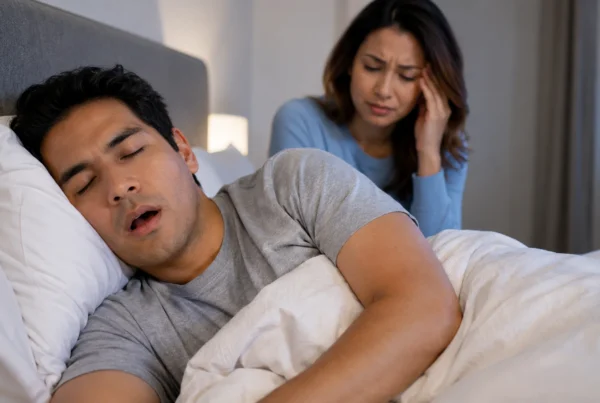
Partners frequently provide the first clues about potential sleep apnea through observations of snoring, gasping, or breathing pauses during sleep. However, many people sleep alone or partners may adapt to these disturbances over time. This lack of awareness contributes to delayed diagnosis and treatment.
Common signs that suggest sleep apnea include:
- Loud, persistent snoring throughout the night
- Witnessed breathing pauses or gasping during sleep
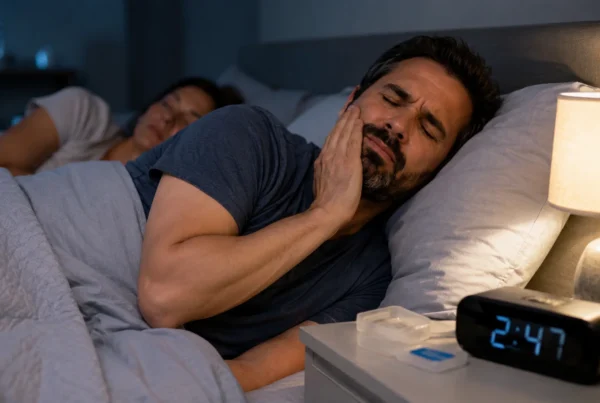
- Morning headaches and dry mouth upon waking
- Excessive daytime sleepiness despite adequate sleep time
- Difficulty concentrating and memory problems
Healthcare providers play a crucial role in recognizing sleep apnea symptoms during routine visits. Dr. Cappetta’s experience helps patients understand risk factors and warning signs that warrant further evaluation. Early identification prevents progression of serious health complications associated with untreated sleep apnea.
The economic impact of undiagnosed sleep apnea extends beyond individual health costs. Workplace accidents, reduced productivity, and increased healthcare utilization create substantial societal burdens. Understanding these broader implications emphasizes the importance of proper diagnosis and treatment.
CPAP Therapy Benefits and Health Improvements
CPAP therapy provides immediate and long-term health benefits for patients with obstructive sleep apnea. The most noticeable improvement is often better sleep quality and reduced daytime sleepiness. Patients frequently report feeling more refreshed and alert within days of starting treatment.
Cardiovascular benefits represent some of CPAP therapy’s most significant advantages. The treatment helps reduce blood pressure, decrease heart rhythm abnormalities, and lower stroke risk. These cardiovascular improvements can be life-saving for patients with severe sleep apnea.
Cognitive function improvements become apparent as brain oxygen levels stabilize during sleep. Better concentration, improved memory, and enhanced decision-making abilities often result from consistent CPAP use. These cognitive benefits significantly impact work performance and quality of life.
Metabolic improvements may include better blood sugar control and weight management support. Sleep apnea disrupts hormones that regulate appetite and metabolism. CPAP therapy helps restore normal hormonal balance, supporting overall metabolic health and potentially aiding weight loss efforts.
What Is the Downside of a CPAP Machine?
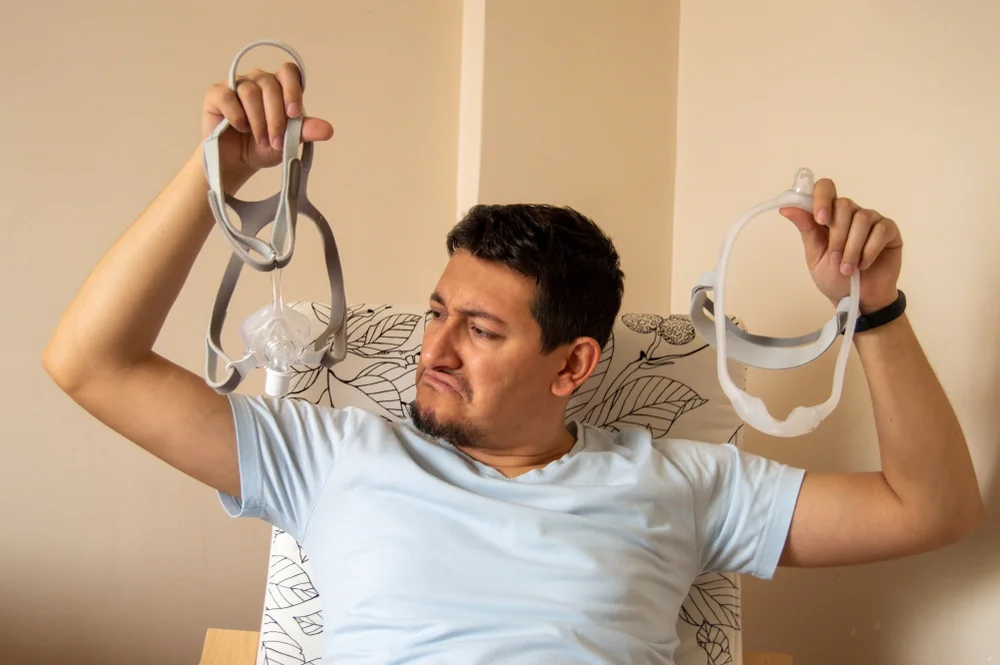
The main downsides of a CPAP machine are mask discomfort, dry mouth or a stuffy nose, air leaks, noise, and feeling closed in. Many people also find the machine hard to travel with. These problems are common in the first few weeks, and most can be eased with a better mask fit or a humidifier.
Despite its effectiveness, CPAP therapy faces significant adherence challenges that limit treatment success. Physical discomfort from masks represents one of the most common complaints among new users. Pressure sores, skin irritation, and claustrophobic feelings can discourage consistent use.
Noise concerns affect both patients and their sleeping partners. While modern CPAP machines operate much quieter than older models, some patients remain sensitive to any mechanical sounds. This noise sensitivity can create anxiety around bedtime and disrupt sleep quality.
Frequent CPAP compliance challenges include:
- Mask discomfort causing pressure marks or skin irritation
- Air leaks creating noise and reducing therapy effectiveness
- Dry mouth or nasal congestion from airflow
- Feeling restricted or tethered during sleep
- Travel inconvenience with bulky equipment
Psychological barriers often prove as challenging as physical discomfort. Some patients feel embarrassed about their appearance with CPAP equipment or worry about partner acceptance. These emotional concerns can significantly impact treatment adherence and require sensitive addressing.
Equipment maintenance and troubleshooting add complexity to daily routines. Regular cleaning, filter changes, and equipment replacement require ongoing attention. Patients may become frustrated with these maintenance requirements and abandon treatment rather than manage ongoing care needs.
What Percentage of CPAP Users Quit?
Studies put CPAP nonadherence between 29 and 83 percent of patients, counting anyone who uses it less than 4 hours a night. The range comes from a 2008 review by Weaver and Grunstein in the Proceedings of the American Thoracic Society. Most people decide in the first few weeks whether CPAP will work for them.
What Is the 70 Percent Rule for CPAP?
The 70 percent rule says you are using CPAP enough if you wear it at least 4 hours a night on 70 percent of nights. This works out to about 5 nights a week. Medicare and many insurance plans use this rule to decide whether they keep covering the machine, so falling short can cost you the equipment.
Strategies for Improving CPAP Adherence
Successful CPAP therapy requires a comprehensive approach addressing both practical and psychological barriers to use. Education forms the foundation of improved adherence by helping patients understand treatment benefits and proper equipment use. Knowledge reduces anxiety and builds confidence in the therapy process.
Proper mask fitting is crucial for comfort and effectiveness. Working with experienced CPAP specialists ensures optimal mask selection and adjustment for individual facial anatomy. Multiple mask styles and sizes accommodate different preferences and anatomical variations.
Gradual acclimatization helps patients adjust to CPAP therapy more comfortably. Starting with shorter usage periods during relaxation or naps allows gradual adaptation to the sensation. Progressive increases in usage time build tolerance and confidence with the equipment.
Regular follow-up appointments address emerging issues before they become compliance barriers. Monitoring treatment data, adjusting pressure settings, and replacing worn equipment maintain optimal therapy effectiveness. Our San Antonio clinic emphasizes the importance of ongoing professional support throughout the treatment journey.
Modern CPAP Technology Improvements
CPAP technology has advanced significantly, addressing many traditional compliance barriers. Modern machines operate much quieter than older models, reducing noise concerns for patients and partners. Advanced algorithms adjust pressure automatically based on breathing patterns throughout the night.
Humidification systems integrated into modern CPAP machines reduce common side effects like dry mouth and nasal irritation. Heated tubing prevents condensation buildup that once created uncomfortable moisture issues. These technological improvements enhance comfort and reduce common compliance obstacles.
Data tracking capabilities allow healthcare providers to monitor treatment effectiveness and identify compliance issues remotely. Wireless connectivity enables real-time monitoring and support without requiring frequent office visits. This technology facilitates proactive intervention when problems arise.
Travel-friendly CPAP options have improved portability for frequent travelers. Smaller, lighter machines with universal power adapters make business travel and vacations more manageable. Battery-powered options provide flexibility for camping and emergency situations.
Is There an Alternative to CPAP for Sleep Apnea?
Yes. For many adults with mild to moderate obstructive sleep apnea, a custom oral appliance is the main alternative to CPAP. It fits like a mouthguard and holds your lower jaw slightly forward so your airway stays open. Your sleep study and your sleep doctor decide whether it fits your case, and results vary.
Dr. Cappetta can walk you through whether an oral appliance makes sense for you, and how it compares with CPAP night to night. You can read more about sleep apnea treatment options in San Antonio before your visit.
While CPAP therapy remains the gold standard for moderate to severe sleep apnea, understanding alternative treatments helps patients make informed decisions. Oral appliances, positional therapy, and surgical options may be appropriate for certain patients or situations.
Some patients benefit from combination therapy approaches that integrate CPAP with other treatments. Lower CPAP pressures may be effective when combined with oral appliances or positional therapy. This integrated approach can improve comfort while maintaining treatment effectiveness.
Weight loss often reduces sleep apnea severity and may allow for lower CPAP pressures or alternative treatments. Dr. Cappetta’s comprehensive approach helps patients understand how lifestyle modifications support all sleep apnea treatments. Sustainable weight management provides long-term benefits beyond sleep improvement.
Understanding when CPAP alternatives might be appropriate empowers patients to discuss all options with their healthcare providers. Factors like sleep apnea severity, anatomical considerations, and lifestyle preferences influence treatment selection. This knowledge helps patients advocate for treatment approaches that align with their needs.
Long-Term Success and Health Outcomes
Long-term CPAP therapy success requires sustained commitment and ongoing professional support. Patients who use their CPAP machines consistently experience continued health benefits and symptom improvement. Regular equipment maintenance and replacement ensure optimal therapy effectiveness over time.
Health outcome improvements continue accumulating with consistent CPAP use over months and years. Cardiovascular benefits, cognitive improvements, and quality of life enhancements become more pronounced with sustained treatment. These long-term benefits justify the initial adjustment challenges and ongoing commitment required.
Quality of life improvements extend beyond health benefits to include enhanced relationships and work performance. Better sleep quality leads to improved mood, patience, and energy levels. Partners often report better sleep when CPAP therapy reduces snoring and breathing disruptions.
Regular monitoring and adjustment maintain treatment effectiveness as needs change over time. Weight fluctuations, aging, and health changes may require pressure adjustments or equipment modifications. Our San Antonio clinic emphasizes the importance of ongoing professional relationships for sustained success.
Making Informed CPAP Treatment Decisions
CPAP therapy represents a proven, effective treatment for moderate to severe obstructive sleep apnea with decades of clinical success. Dr. Chris Cappetta has practiced dentistry for 35 plus years and helps patients see where CPAP fits among their sleep apnea options. His expertise provides valuable education about this important treatment option.
Our San Antonio clinic has educated countless patients about CPAP therapy benefits, challenges, and success strategies. Understanding how this treatment works and what to expect helps patients engage effectively with their sleep medicine specialists. This knowledge empowers better treatment decisions and improved outcomes.
Don’t let sleep apnea continue affecting your health when proven treatments like CPAP therapy are available. Contact Fountain of Youth Dental today to schedule your comprehensive sleep apnea consultation. Together with Dr. Cappetta, we’ll help you understand all treatment options, including CPAP therapy, and support your journey toward better sleep health.
See More Reviews From Fountain of Youth Dental. View information about local places in our community.
Schedule Your Free Consultation Today!
Fountain of Youth Dental
5282 Medical Dr. #520 San Antonio, TX 78229 (210) 614-5481 Driving Directions
Frequently Asked Questions
What happens to your body when you start CPAP?
Many people notice changes within the first few nights. Sleep gets deeper, snoring drops or stops, and daytime sleepiness eases. Over months of steady use, the long-term benefits of CPAP include better blood pressure control, a lower stroke risk, and sharper memory. Some people also get a dry mouth, a stuffy nose, or skin irritation from the mask at first. Results vary, and how much you gain depends on how often you wear it.
Is it hard to adjust to wearing a CPAP machine?
Most people need a few weeks to get used to CPAP. A good way to start is to wear the mask for short stretches while you are awake, like while watching TV, then add the machine. A ramp setting starts the air pressure low and raises it as you fall asleep. If the mask leaks or hurts in the first two weeks, call your sleep doctor or CPAP supplier about a different size or style.
Does CPAP stop snoring?
For most people, yes. CPAP keeps your airway open, so the soft tissue in your throat stops vibrating as air moves past it, which is what makes the snoring sound. Cleveland Clinic lists reduced snoring among the short-term benefits of CPAP, along with better sleep and less daytime sleepiness. If you still snore with your mask on, tell your sleep doctor, since the mask fit or pressure may need a change.
Do I need to use CPAP when I nap?
Yes. Sleep doctors advise using CPAP every time you sleep, including naps and nights away from home, since your airway can close during a nap the same way it does at night. Skipping it has a cost, and even one night without treatment can affect your blood pressure. A small travel machine makes this easier if you are often away from home. Ask your sleep doctor what fits your routine.