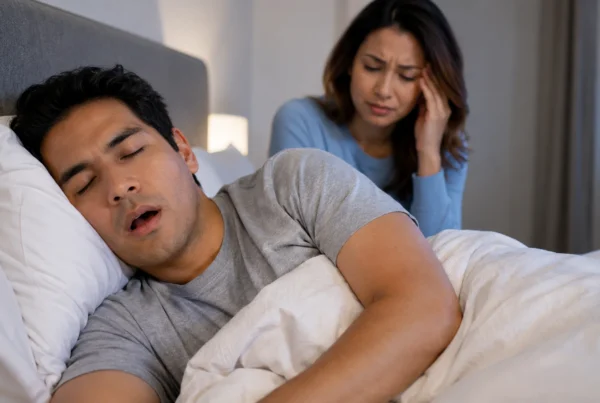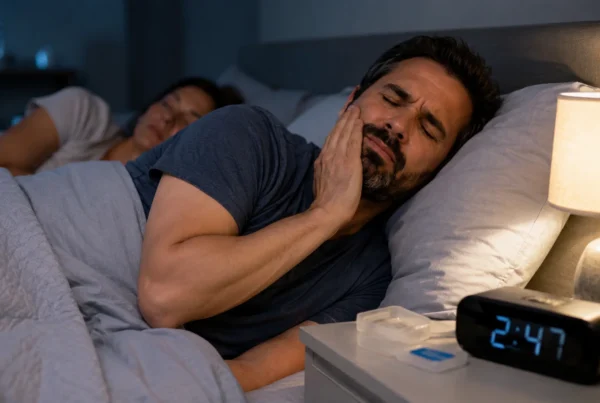
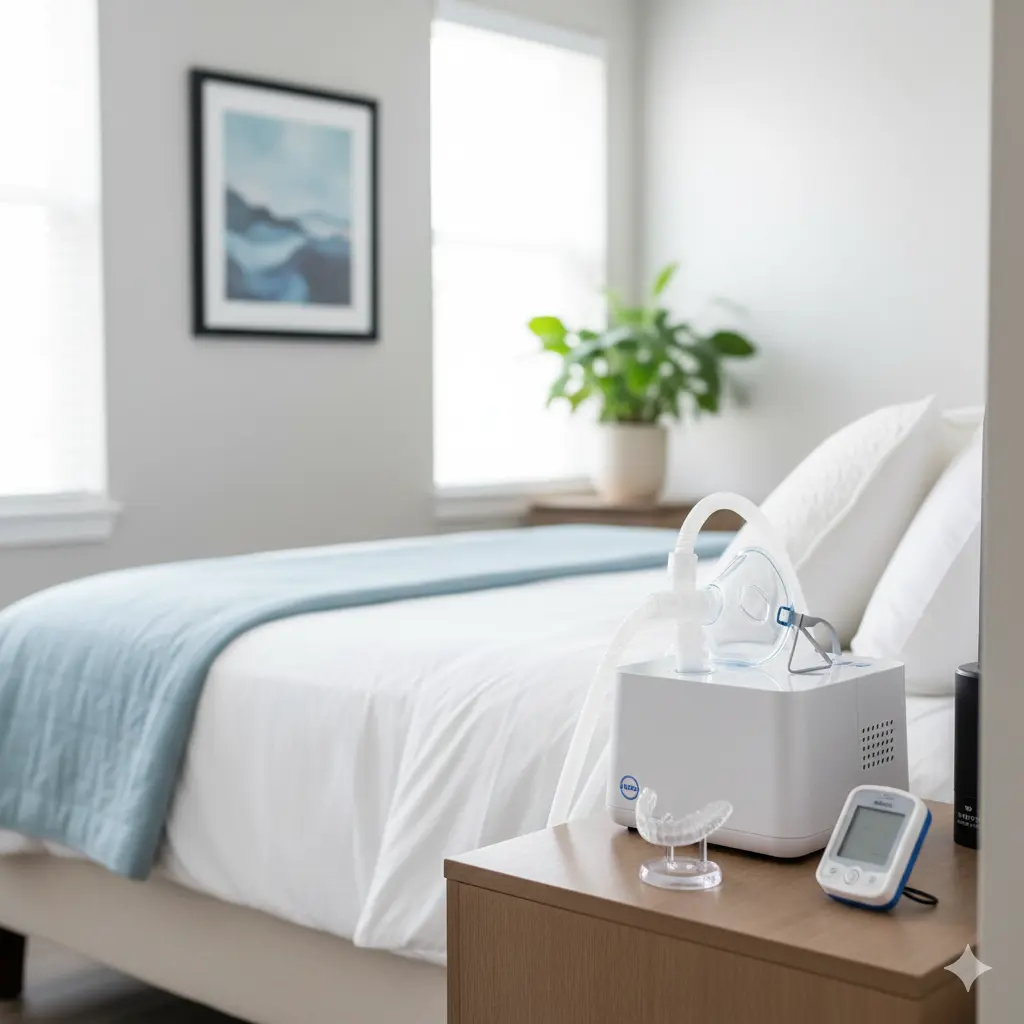
Getting tested for sleep apnea is one of the most important steps you can take for your health and safety! Understanding your testing options, knowing what to expect, and learning about the results helps you make informed decisions about your care. With the right knowledge and professional guidance, sleep apnea testing can be the first step toward better sleep, improved health, and a safer, more energetic life.
Understanding Your Sleep Testing Journey
Sleep apnea testing represents a crucial step in protecting your health and quality of life. Dr. Christopher J. Cappetta at Fountain of Youth Dental, with over 35 years of experience serving families in San Antonio, Texas, understands that sleep disorders affect much more than just nighttime rest. His expertise with the American Dental Association and Academy of General Dentistry and his background in dental sleep medicine helps him recognize the oral health connections to sleep breathing disorders and guide patients toward appropriate testing and treatment.
The journey begins with understanding the different types of sleep tests available and how they work. In-lab polysomnography provides the most comprehensive analysis of your sleep patterns, breathing, and body functions throughout the night. This gold standard test takes place in a specialized sleep center where trained technicians monitor multiple aspects of your sleep in real time.
Home sleep apnea tests offer convenience and comfort by allowing you to sleep in your own bed while wearing monitoring devices. These tests focus specifically on breathing patterns and oxygen levels, making them ideal for many patients who suspect they have sleep apnea but prefer the familiarity of their home environment.
Setting proper expectations about the testing process helps reduce anxiety and ensures you’re prepared for what lies ahead. Whether you’re wearing sensors during an overnight lab stay or using a simple device at home, understanding the process beforehand makes the experience much less stressful and more successful.
The Hidden Dangers of Untreated Sleep Apnea
Sleep apnea poses serious risks that extend far beyond feeling tired during the day. The cognitive effects of untreated sleep apnea symptoms can impair your decision-making abilities, concentration, and memory in ways that affect your work performance and personal safety. People in demanding professions like healthcare, transportation, or emergency services face particularly serious risks when sleep apnea goes undiagnosed.
Workplace safety becomes a major concern when sleep apnea disrupts your alertness and reaction times. Operating machinery, making critical decisions, or maintaining safety protocols all become more dangerous when you’re struggling with the cognitive effects of poor sleep. Many workplace accidents can be traced back to undiagnosed sleep disorders that affected worker alertness and judgment.
Road safety represents one of the most public-facing dangers of untreated sleep apnea. Drivers with undiagnosed sleep apnea are significantly more likely to cause motor vehicle accidents due to microsleep episodes and impaired reaction times. The National Highway Traffic Safety Administration estimates that drowsy driving causes thousands of accidents and fatalities each year.
Key risks of untreated sleep apnea include:
- Increased risk of heart disease and stroke
- Higher likelihood of developing diabetes
- Impaired cognitive function and memory problems
- Greater risk of workplace and driving accidents
- Reduced immune system function
- Depression and mood disorders
- Shortened life expectancy
The cardiovascular effects of sleep apnea are particularly serious, with untreated cases leading to high blood pressure, irregular heart rhythms, and increased risk of heart attack or stroke. The repeated drops in oxygen levels during sleep episodes place enormous stress on your cardiovascular system night after night.
Understanding these risks helps motivate people to seek testing and treatment promptly rather than dismissing sleep problems as minor inconveniences. Early diagnosis and treatment can prevent many of these serious health complications and dramatically improve quality of life.
Choosing the Right Test for Your Situation
Selecting between home sleep testing and in-lab polysomnography depends on several factors including the complexity of your symptoms, other health conditions, and personal preferences. Understanding the strengths and limitations of each option helps you work with your healthcare provider to make the best choice for your specific situation.
Home sleep tests work well for people with clear symptoms of sleep apnea who don’t have complicated medical conditions that might interfere with the results. These tests are convenient, less expensive, and allow you to sleep in familiar surroundings, which may provide more representative results of your typical sleep patterns.
In-lab polysomnography becomes necessary when you have complex medical conditions, take certain medications, or have symptoms that suggest other sleep disorders beyond sleep apnea. The comprehensive monitoring available in sleep labs can detect subtle abnormalities that home tests might miss and provide more detailed information for treatment planning.
| Test Type | Best For | Advantages | Limitations |
| Home Sleep Test | Straightforward sleep apnea cases | Convenient, comfortable, less expensive | Limited monitoring capabilities |
| In-Lab Polysomnography | Complex cases, multiple conditions | Comprehensive monitoring, immediate assistance | More expensive, unfamiliar environment |
| Split-Night Study | Severe cases needing immediate treatment | Diagnosis and treatment initiation in one night | Only available for severe cases |
| Multiple Sleep Latency Test | Suspected narcolepsy or hypersomnia | Measures daytime sleepiness objectively | Requires full day at sleep center |
Your healthcare provider’s guidance becomes essential in making this choice. They consider your medical history, current symptoms, other health conditions, and personal circumstances to recommend the most appropriate testing approach. This collaborative decision-making ensures you receive the most accurate diagnosis while considering your comfort and practical needs.
Lifestyle factors also influence test selection. Some people feel too anxious sleeping away from home to get accurate results in a sleep lab, while others prefer the comprehensive monitoring and immediate assistance available in professional facilities. Your healthcare team can help you weigh these factors to make the best choice.
Understanding Your Test Results
Interpreting sleep test results requires understanding several key measurements that indicate the severity and nature of your sleep breathing problems. The Apnea-Hypopnea Index measures how many times per hour your breathing stops or becomes significantly reduced during sleep, providing the primary indicator of sleep apnea severity.
Oxygen saturation levels during sleep reveal how well your body maintains adequate oxygen despite breathing disruptions. Significant drops in oxygen levels can indicate more serious health risks and may influence treatment recommendations even when the AHI appears moderate.
Sleep efficiency and sleep stage distribution provide additional insights into sleep quality beyond just breathing problems. Poor sleep efficiency or disrupted sleep stages can explain persistent fatigue even when breathing problems seem mild, helping guide comprehensive treatment approaches. For patients whose results indicate moderate to severe sleep apnea, CPAP alternatives may be worth discussing with Dr. Cappetta alongside traditional therapy options.
Key measurements in sleep studies include:
- Apnea-Hypopnea Index: Number of breathing events per hour
- Oxygen desaturation levels: How low oxygen drops during events
- Sleep efficiency: Percentage of time actually spent sleeping
- Sleep stage distribution: Time spent in different sleep phases
- Heart rate variability: Changes in heart rhythm during sleep
- Limb movement index: Frequency of leg movements during sleep
Understanding these metrics helps you grasp the significance of your results and the rationale behind treatment recommendations. A patient with mild sleep apnea by AHI standards might still need aggressive treatment if oxygen levels drop severely or if daytime symptoms are significant.
Addressing misconceptions about test accuracy helps build confidence in the diagnostic process. Both home and in-lab tests have become highly reliable when performed correctly, and understanding their capabilities helps you trust the results and commit to recommended treatments.

Getting Professional Guidance and Support
The expertise of healthcare professionals becomes crucial in navigating sleep apnea testing and treatment successfully. Primary care physicians often serve as the first point of contact, recognizing sleep apnea symptoms and coordinating appropriate testing based on your individual risk factors and health status.
Dental professionals play an increasingly important role in sleep apnea detection and treatment. Dr. Cappetta’s training allows him to recognize oral and facial features that increase sleep apnea risk, such as large neck circumference, specific jaw relationships, or signs of teeth grinding that often accompany sleep breathing disorders. Patients who are not candidates for CPAP or who prefer a more comfortable approach often benefit from oral appliances for sleep apnea as part of their treatment plan.
Sleep specialists provide expertise in interpreting complex test results and developing comprehensive treatment plans. Their specialized knowledge helps ensure that all aspects of your sleep disorder are addressed and that treatment approaches are tailored to your specific type and severity of sleep apnea.
The interdisciplinary approach to sleep medicine combines the strengths of different healthcare providers to deliver optimal care. Regular communication between your primary care physician, sleep specialist, and dental provider ensures that all aspects of your health are considered in treatment planning.
Patient education remains a cornerstone of successful sleep apnea management. Understanding your condition, treatment options, and the importance of compliance helps you become an active partner in your care rather than a passive recipient of treatment.
Creating Your Long-Term Success Plan
Successful sleep apnea management extends far beyond the initial diagnosis and treatment setup. Regular follow-up care ensures that your treatment remains effective as your condition or circumstances change over time. Initial treatment adjustments are often necessary as you adapt to therapy and as providers fine-tune your treatment based on your response.
Ongoing monitoring helps detect changes in your condition or treatment effectiveness early. This might involve periodic sleep studies, regular check-ins with your healthcare team, or home monitoring systems that track your treatment adherence and effectiveness over time.
Building a comprehensive support network enhances your long-term success with snoring and sleep apnea treatment. This includes access to equipment suppliers for device maintenance, peer support groups for sharing experiences and tips, and educational resources that help you stay informed about advances in sleep medicine.
Quality control measures ensure that your equipment functions properly and that your treatment remains effective. Regular equipment maintenance, software updates, and professional equipment checks help prevent problems that could compromise your treatment effectiveness.
Staying informed about advances in sleep medicine helps you take advantage of new treatment options or improvements in existing therapies. The field of sleep medicine continues to evolve rapidly, with new devices, treatment approaches, and monitoring technologies becoming available regularly.
Your Path Forward
Sleep apnea testing represents the beginning of a journey toward better health, improved safety, and enhanced quality of life. Dr. Christopher J. Cappetta’s 35 years of experience and commitment to comprehensive patient care ensures that patients in San Antonio receive expert guidance throughout their sleep health journey. His understanding of the connections between oral health and sleep disorders provides valuable insights that enhance the overall approach to sleep apnea treatment.
The collaborative relationship between you and your healthcare team forms the foundation of successful sleep apnea management. When patients actively participate in their diagnostic process and treatment planning, they typically achieve better outcomes and greater satisfaction with their care.
Understanding that sleep apnea treatment is a long-term commitment helps set realistic expectations and promotes sustained success. Like managing any chronic health condition, sleep apnea requires ongoing attention, regular follow-up care, and commitment to recommended treatments to achieve optimal results.
The investment in proper sleep apnea testing and treatment pays dividends in improved health, enhanced safety, and better quality of life for years to come. Early diagnosis and effective treatment can prevent serious health complications while restoring the restful sleep that’s essential for optimal physical and mental functioning.
See More Reviews From Fountain of Youth Dental. View information about local places in our community.
Schedule Your Free Consultation Today!
Fountain of Youth Dental
5282 Medical Dr. #520 San Antonio, TX 78229 (210) 614-5481 Driving Directions
Frequently Asked Questions
What is the difference between home and in-lab sleep apnea tests?
Home sleep tests are convenient and can be done in your own bed, making them less stressful and more representative of your typical sleep patterns. They focus specifically on breathing and oxygen levels, making them ideal for straightforward sleep apnea cases. In-lab polysomnography provides comprehensive monitoring of multiple body functions and is used when more detailed analysis is needed due to complex medical conditions or suspected multiple sleep disorders.
Is sleep apnea testing accurate?
Modern sleep apnea testing is highly accurate when performed correctly. Both home and in-lab tests use advanced technology that reliably detects breathing disruptions and oxygen level changes. The accuracy depends on proper device setup, following pre-test instructions, and choosing the right test type for your specific situation. Your healthcare provider will ensure you receive the most appropriate and accurate testing for your needs.
What should I do if I think my sleep apnea treatment isn’t working?
Contact your healthcare provider immediately if you’re not experiencing the expected benefits from treatment or if your symptoms have changed or worsened. They can reassess your situation, review your treatment adherence, adjust equipment settings, or consider alternative treatment approaches. Many treatment issues can be resolved with simple adjustments, so don’t wait to seek help if your treatment doesn’t seem effective.