
Know What Can Change Your Grinding and What Only Protects You
Can bruxism be cured is a common question once a dentist points out signs of grinding. This guide explains what each treatment does, which ones have real research behind them, and how your sleep fits in. You’ll also learn simple habits to try at home and when a visit makes sense. Many adults in Balcones Heights and around Woodlawn Lake fear they will grind forever, and the honest answer is more hopeful.
Dr. Chris Cappetta, DDS, has practiced dentistry in San Antonio for 35 plus years under Texas License 14475. He has seen years of grinding wear down enamel and break fillings. If you want protection while you work on the cause, our page on custom night guards in San Antonio explains how one is fitted.
Can Bruxism Be Cured?
No treatment cures bruxism, but grinding often eases once its trigger is treated. Mayo Clinic notes many adults never grind hard enough to need treatment, and many children outgrow it. For adults with damage or pain, the goal is protection plus less grinding.
Results vary, since stress, medications, caffeine, alcohol, and poor sleep can all drive bruxism. A plan aimed at the wrong driver can protect your teeth for years while the grinding keeps going. Finding the right driver is the step a quick fix tends to skip.
Who Needs Bruxism Treatment and Who Does Not?
You may need treatment if grinding damages teeth, causes pain, or shows up with loud snoring. Mild grinding with no symptoms may only need watching at your checkups. These six signs suggest your grinding has moved past the point where watching alone is enough.
- Teeth feeling more sensitive than before
- Fillings or crowns breaking more than once
- Morning jaw soreness or dull headaches at the temples
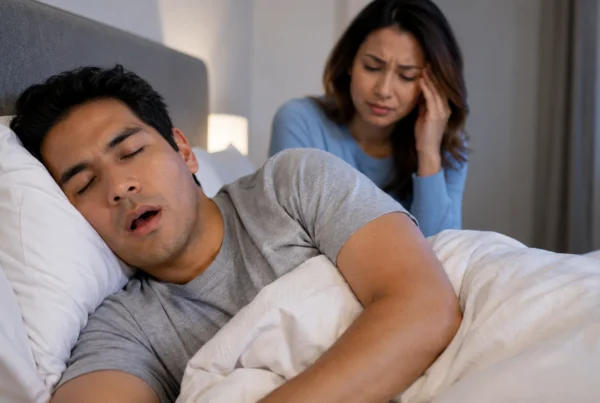
- A partner hearing grinding at night
- Loud snoring, gasping, or waking tired
- Jaw clicking, locking, or pain when you chew
One sign is worth a mention at your next visit, and two deserve an exam. Snoring and morning headaches together deserve extra attention, since they can point to a breathing problem during sleep. Dr. Cappetta will tell you plainly if your grinding only needs monitoring.
Why Doesn’t a Night Guard Stop Teeth Grinding?
A night guard protects your teeth from grinding, but it is not designed to stop the grinding itself. A 2007 Cochrane review found too little evidence to show splints reduce sleep bruxism. The same review noted splints may still help with tooth wear, and protecting teeth is their main job.
A guard takes the force your teeth would otherwise absorb, so enamel, crowns, and fillings last longer. It does nothing about why your jaw works so hard while you sleep. This is why Dr. Cappetta pairs every guard with a careful look at what is driving the grinding.
Wearing a guard is still one of the best steps you can take while you sort out the reason. It protects teeth in the meantime, since enamel does not grow back. For many patients, a guard and a plan aimed at the cause work best side by side.
Which Bruxism Treatments Have Research Behind Them?
The treatments with the clearest research either protect your teeth or treat a sleep problem behind the grinding. Medications have the weakest support, based on a 2014 Cochrane review of 7 small trials with 7 to 16 people each. The table below sums up what each option targets and what the evidence shows.
| Treatment | What it targets | What the research shows |
| Custom night guard | Protects teeth from wear | Too little evidence it reduces grinding, may help tooth wear |
| Medications | Jaw muscle activity in sleep | Insufficient evidence across 7 small trials |
| Botox injections | Muscle force in severe cases | May help severe cases when other options fail |
| Stress care, habit change, biofeedback | Stress-linked and daytime clenching | May lower clenching for some people |
| CPAP or an oral appliance for sleep apnea | Breathing problems during sleep | Both lowered grinding activity in 38 adults with apnea |
| Dental repair | Damage already done | Restores teeth but does not stop grinding |
Sources: Cochrane Database of Systematic Reviews, 2007 and 2014. Mayo Clinic, Bruxism Diagnosis and Treatment. Li and colleagues, Sleep and Breathing, 2023.
Botox and prescription medications are handled by a medical provider, and Dr. Cappetta can talk through when a referral makes sense. Results for every option here vary from person to person. Many plans combine two of them, such as a night guard plus better sleep care.

Can Treating Sleep Apnea Stop Teeth Grinding?
Treating sleep apnea can lower grinding for many people who have both conditions. In a 2023 study of 38 adults with sleep apnea, both CPAP and a jaw-advancing oral appliance cut grinding activity during sleep. The authors also noted large differences in how much each person improved.
A 2024 study in the same journal linked 73.5 percent of sleep bruxism in apnea patients to breathing events, and PAP therapy reduced those episodes. Dr. Cappetta sees the same pattern and views grinding as a symptom of a narrowed airway in many patients. A dentist cannot diagnose apnea, but he can screen for it and refer you.
What Can You Do at Home to Grind Less?
A few evening habits may help, starting with enough sleep. CDC PLACES estimates 41.2 percent of Bexar County adults slept less than 7 hours a night in 2022. These steps follow Mayo Clinic and CDC guidance and fit alongside any treatment.
- Skip caffeinated coffee and tea after dinner
- Avoid alcohol in the evening
- Wind down with a brief walk, stretching, or slow breathing
- Practice resting your jaw with lips closed and teeth apart
- Aim for at least 7 hours of sleep
- Note morning jaw pain or headaches in a phone log
A late shift near the Medical Center or a long drive home on Loop 410 can push bedtime later than you’d like. Small changes, like moving your last coffee earlier, may lower how hard you clench. Bring your phone log to your visit so Dr. Cappetta can see the pattern in your own words.
When Should You See a Dentist About Grinding?
See a dentist if grinding causes pain, breaks dental work, or comes with snoring. Early visits matter because damage adds up quietly, and repairs tend to grow larger the longer grinding goes on. There is no wrong time to come in, even after years away.
Some of the clearest clues only show up during an exam. Dr. Cappetta looks for notches near the gumline, scalloped tongue edges, a narrow arch, and fillings failing again and again. He also asks about headaches, neck tension, and feeling tired yet wired.
If jaw joint pain is part of the picture, our page on TMJ treatment in San Antonio explains how it is evaluated. Grinding and joint pain often show up together, but they need different answers. Your first visit sorts out which problem you have, with no pressure to start treatment on the spot.
Protect Your Teeth Now and Work on the Reason You Grind
Dr. Chris Cappetta, DDS, has practiced for 35 plus years and sees patients from Balcones Heights. He holds national certification in hard and soft tissue lasers and is a member of the ADA, AGD, and ALD. At your visit, he checks your wear and your bite. You leave with a plan aimed at why you grind, so mornings can start without a sore jaw.
The easiest first step is a grinding check, and you can pair it with your next cleaning. Call (210) 614-5481 or visit fountainofyouthdental.com to request a time. Bring your night guard if you have one, and you’ll leave knowing whether grinding needs watching or a fuller plan.
What Else Do People Ask About Bruxism?
Is bruxism a mental illness?
No, bruxism is not a mental illness, though stress and anxiety are often found alongside it. The International Classification of Sleep Disorders treats sleep bruxism as a sleep-related movement disorder, according to a Cochrane review. The same review says the exact role of stress and anxiety is still unclear. If worry seems to drive your clenching, a counselor or physician can help you alongside your dental care.
Can dentists tell if you have bruxism?
Yes, dentists can often spot grinding from worn edges, small fractures, and enlarged jaw muscles during a routine exam. The American Academy of Sleep Medicine says a sleep study is rarely needed for bruxism alone. A sleep study becomes useful when grinding shows up with snoring or poor sleep, since it can reveal apnea.
What does teeth grinding look like?
Grinding often leaves flat, shiny spots on chewing surfaces and front teeth worn into a straight edge. Mayo Clinic lists flattened, fractured, chipped, or loose teeth among the common signs. Worn enamel can also expose the yellow layer underneath, which makes teeth look darker and feel more sensitive. Results vary, so a dentist should confirm what you see in the mirror.
What is awake bruxism?
Awake bruxism is clenching or grinding during the day, often while you concentrate, drive, work at a desk, or feel stressed. Cleveland Clinic notes daytime grinding usually happens subconsciously, and mild cases may not need treatment. Sleep bruxism tends to do more harm, since you can’t catch yourself doing it while you are asleep. Your dentist can help you tell which type you have.