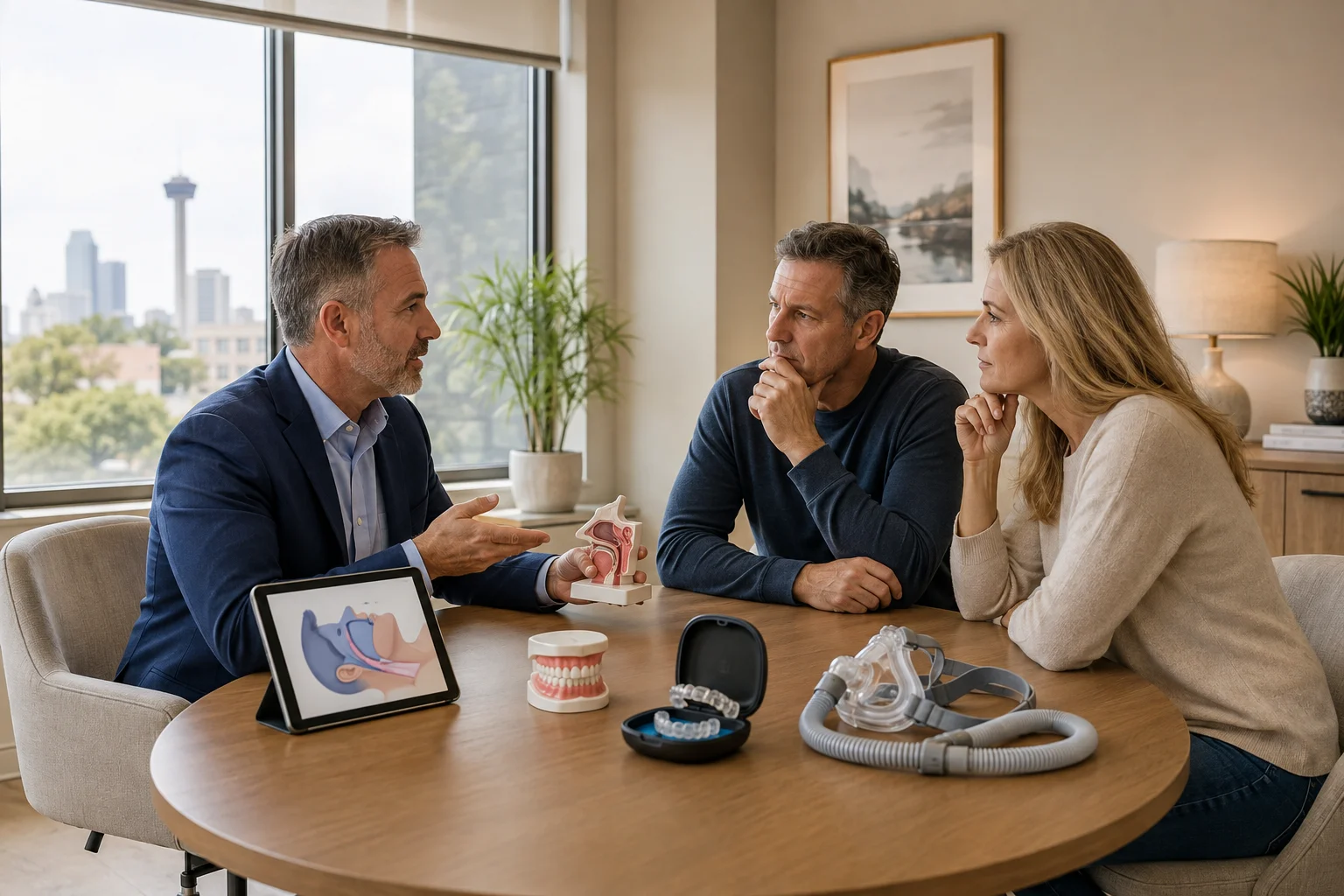
CPAP alternatives are easy to find in San Antonio, and almost every list presents them as equally good choices. They are not. Dr. Chris Cappetta, DDS has practiced dentistry here for more than 35 years. He holds national certification in hard and soft tissue lasers. He turns patients away from the option they came in asking for more often than people expect. This page gives you the alternatives that exist and the severity each one treats. It also gives you the findings that rule an option out before you spend a dollar.
The fear underneath the search is usually specific. You own a machine you cannot sleep with, and you suspect you are stuck with it. Getting this wrong costs more than money. An alternative that misses your severity leaves the breathing disorder running while you feel like you fixed it. So the useful question is not which alternative is best. It is which ones your own numbers still allow.
Why Do So Many People Stop Using CPAP?
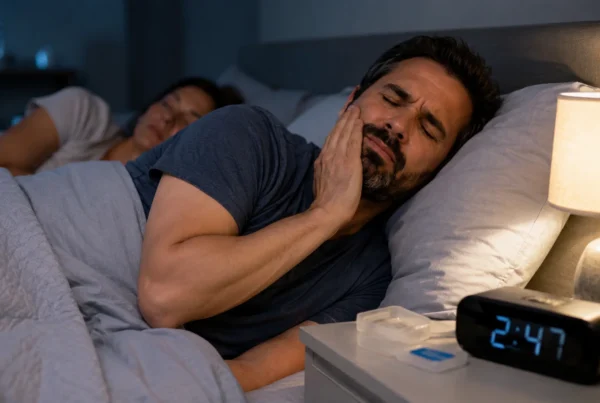
Six complaints drive most of it, and none is about whether the machine works. Pressure feels like breathing into a headwind, and the mask shifts every time you roll over. Then dry mouth by morning, strap marks, noise, and a bag you pack for every trip.
CPAP is effective when it is worn, and that is the whole catch. It is why adherence gets treated as a separate problem from efficacy. A machine sitting in a closet treats nothing, which is a worse outcome than a weaker option you use nightly.
Shift workers make up a real share of this. Nurses and techs coming off nights at Methodist Hospital sleep at odd hours in bright rooms. A machine built around one long uninterrupted night suits that badly.
What Does Your Sleep Study Decide for You?
Your apnea-hypopnea index decides nearly everything, and it sorts into 4 bands. Under 5 is normal, five to fifteen is mild, fifteen to thirty is moderate, and thirty or higher is severe. Those numbers are not a formality. They draw the line between an alternative being reasonable and one being wishful.
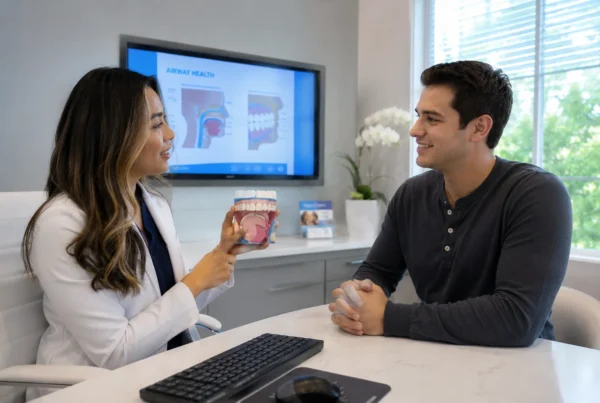
Dental treatment sits in the mild to moderate range. Dr. Cappetta does not replace prescribed CPAP for moderate or severe disease. He says so at the first visit rather than the third. The snoring and sleep apnea page covers how testing gets coordinated.
What Are the Real Alternatives to CPAP?
Six categories exist, and only two of them are things a dentist provides. The rest belong to a physician, a surgeon, or you. Knowing which is which saves you from asking the wrong provider for the wrong thing.
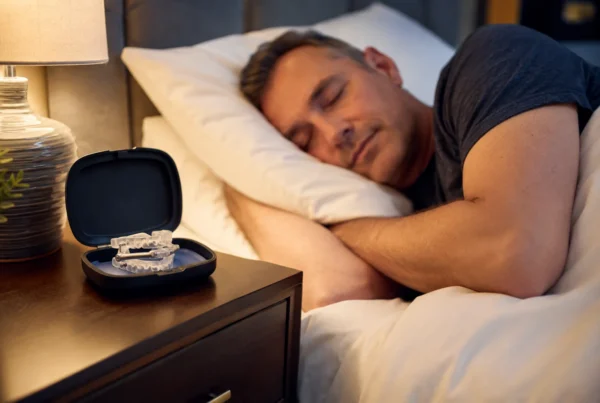
- Oral appliance therapy, a custom device holding the lower jaw forward
- Laser treatment of the soft palate, which firms the tissue that vibrates
- Arch expansion appliances, an orthodontic approach to widening the airway
- Hypoglossal nerve stimulation, an implanted device a surgeon places
- Palatal implants, small inserts stiffening the soft palate
- Weight, alcohol timing and sleep position, which cost nothing to change
Four of those six need somebody other than your dentist. Patients from Babcock North and Hamilton Wolfe arrive expecting one office to handle all of it. Dr. Cappetta provides the first two and refers for the rest. Coverage rules differ by plan, and appliances are sometimes billed under medical benefits rather than dental.
Which Alternative Fits Which Severity?
Six options, three severity bands, and the fit changes at every line. The table below is the part most competitors leave out, because it shows you when the answer is no. Read it against the number on your own study.
| Option | Snoring only | Mild to moderate | Severe |
| Oral appliance therapy | Reasonable | Reasonable | Not a replacement |
| Laser soft palate treatment | Reasonable | Sometimes, with testing | No |
| Arch expansion appliance | Sometimes | Sometimes | No |
| Hypoglossal nerve stimulation | No | Sometimes | Sometimes |
| Palatal implants | Sometimes | Rarely | No |
| Weight, alcohol and position | Helps | Helps, rarely enough | Helps, never enough |
Results vary with anatomy, severity and how consistently any option gets used. What the table cannot show is the second filter, which is anatomy. Two people with identical numbers can get opposite answers at the examination.

What Rules You Out of an Appliance or a Laser?
Seven findings take dental treatment off the table. Dr. Cappetta checks for all of them before agreeing to treat. This is the list most practices keep quiet, since every item on it is revenue walking out the door.
- Confirmed moderate to severe apnea without a sleep physician supervising the plan
- Snoring with witnessed breathing pauses, choking, or gasping awake
- Significant daytime sleepiness or drowsiness behind the wheel
- Morning headaches or blood pressure resisting several medicines
- Snoring driven mainly by large tonsils or severe nasal obstruction
- Collapse at the tongue base or jaw rather than the soft palate
- Active infection, ulcer or inflammation in the mouth or throat
That sixth item catches more people than the rest combined. Laser treatment targets tissue around the soft palate and throat. A tongue-base collapse sits somewhere the laser cannot reach. You can read what the laser does on the NightLase page, and results vary.
What Should You Do Before You Stop Using CPAP?
Four steps, and the first is the one people skip. Do not stop a prescribed machine before talking to the physician who prescribed it. Bring your most recent sleep study to a dental consultation, since the report decides the conversation. Then get an airway examination and let the findings sit side by side.
Plenty of patients keep the machine and add dental treatment rather than swapping one for the other. Others learn their severity has shifted enough to reopen the conversation. None of that is available to somebody who quit without telling anyone.
Drivers coming down Wurzbach Road usually bring the wrong thing, a list of devices they read about. Bring the study instead. If you have never had one, that is the first appointment rather than a reason to wait. The oral appliance page explains candidacy.
Knowing Which Options Are Still Open to You
There is a version of this where you stop guessing. You know your number and which options your anatomy allows. You also know which ones were never going to work. Dr. Chris Cappetta, DDS has spent more than 35 years in San Antonio sorting airway problems honestly. You see one dentist, a member of the ADA and the Academy of Laser Dentistry, at every visit.
Call Fountain of Youth Dental at (210) 614-5481 to book a consultation. Bring your sleep study, your medication list and the machine settings. You will leave knowing which alternatives are still open, though outcomes vary with severity and anatomy.
Questions People Ask About CPAP Alternatives
Is there a maskless CPAP?
No, because CPAP pushes pressurized air through an interface, so something sits against your face. Interfaces run from full-face masks down to small nasal pillows, and a smaller one settles it for many people. What people mean by maskless is usually a different treatment rather than a different machine. Mayo Clinic’s overview of obstructive sleep apnea lists the pressure device, the mouthpiece and surgery as three separate approaches.
What is the new thing instead of CPAP?
Implanted nerve stimulation is the option people usually mean, and a surgeon places it rather than a dentist. A small device senses your breathing and nudges the tongue forward as you inhale. Cleveland Clinic lists it among the surgical approaches in its guide to obstructive sleep apnea. It suits a narrow group and involves an outpatient operation. Coverage terms vary by plan, and newer does not mean better suited to you.
What is the 3 percent rule for sleep apnea?
It is the scoring rule deciding whether a partial breathing event counts toward your number. A hypopnea gets scored when airflow drops for ten seconds or more. Your oxygen then has to fall 3 percent, or the event has to wake you. The American Academy of Sleep Medicine recommends that 3 percent criterion while allowing a 4 percent one. Some insurers still require the stricter version. The rule your lab used changes your AHI, and your AHI changes what you qualify for.
How can I reverse sleep apnea naturally?
Some cases improve with weight loss, less alcohol before bed, quitting smoking and sleeping off your back. The National Heart, Lung, and Blood Institute frames those as ways to lower your risk, not as a cure. Anatomy sets a floor habits cannot move, and a narrow airway will still be narrow. Treat these as changes improving every other option rather than replacing them, and results vary.